How Can Pharmaceutical Companies Accelerate Product Release While Reducing GxP Risk?
8:43
Author: ELPRO Published: July 2026
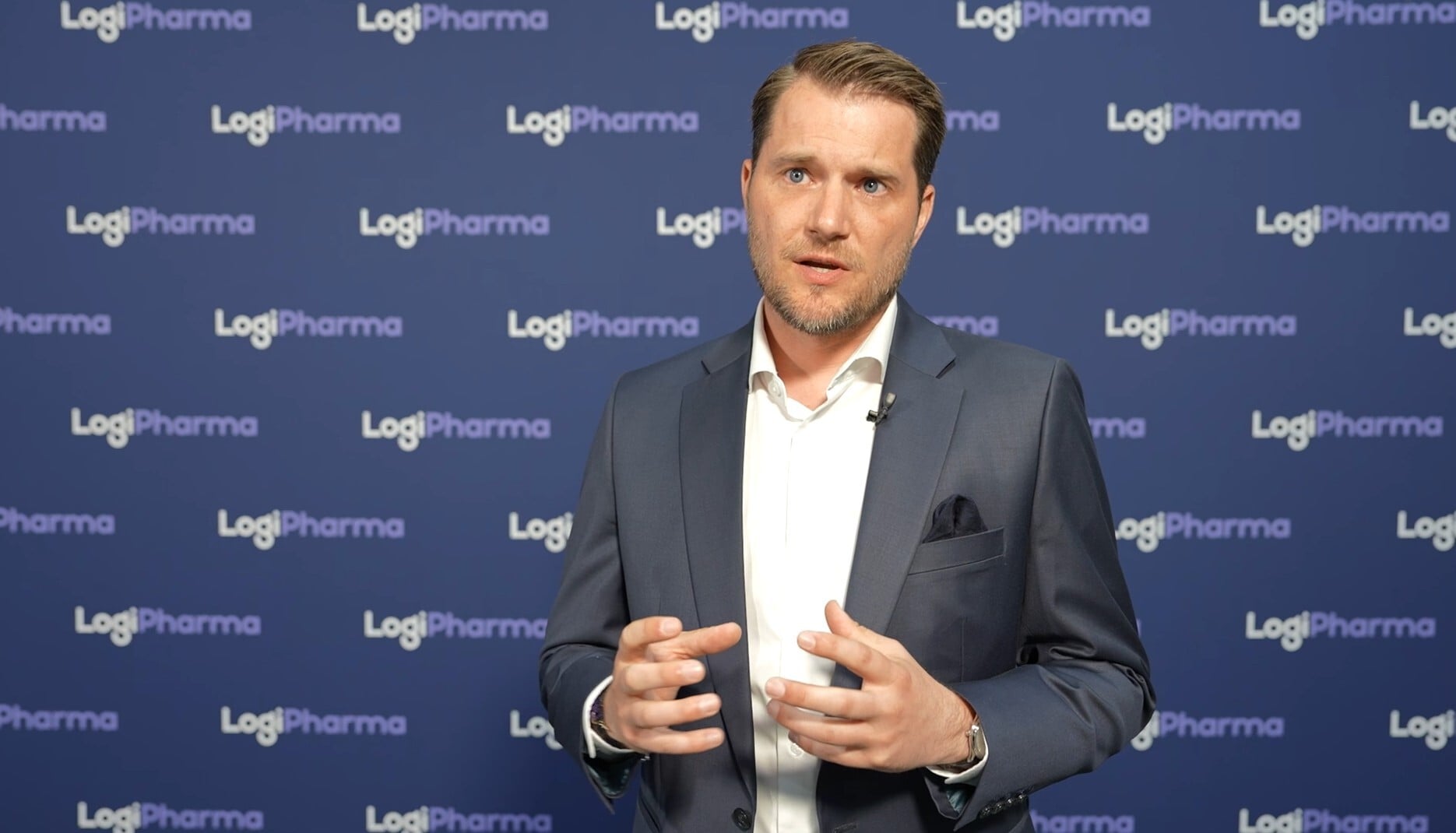
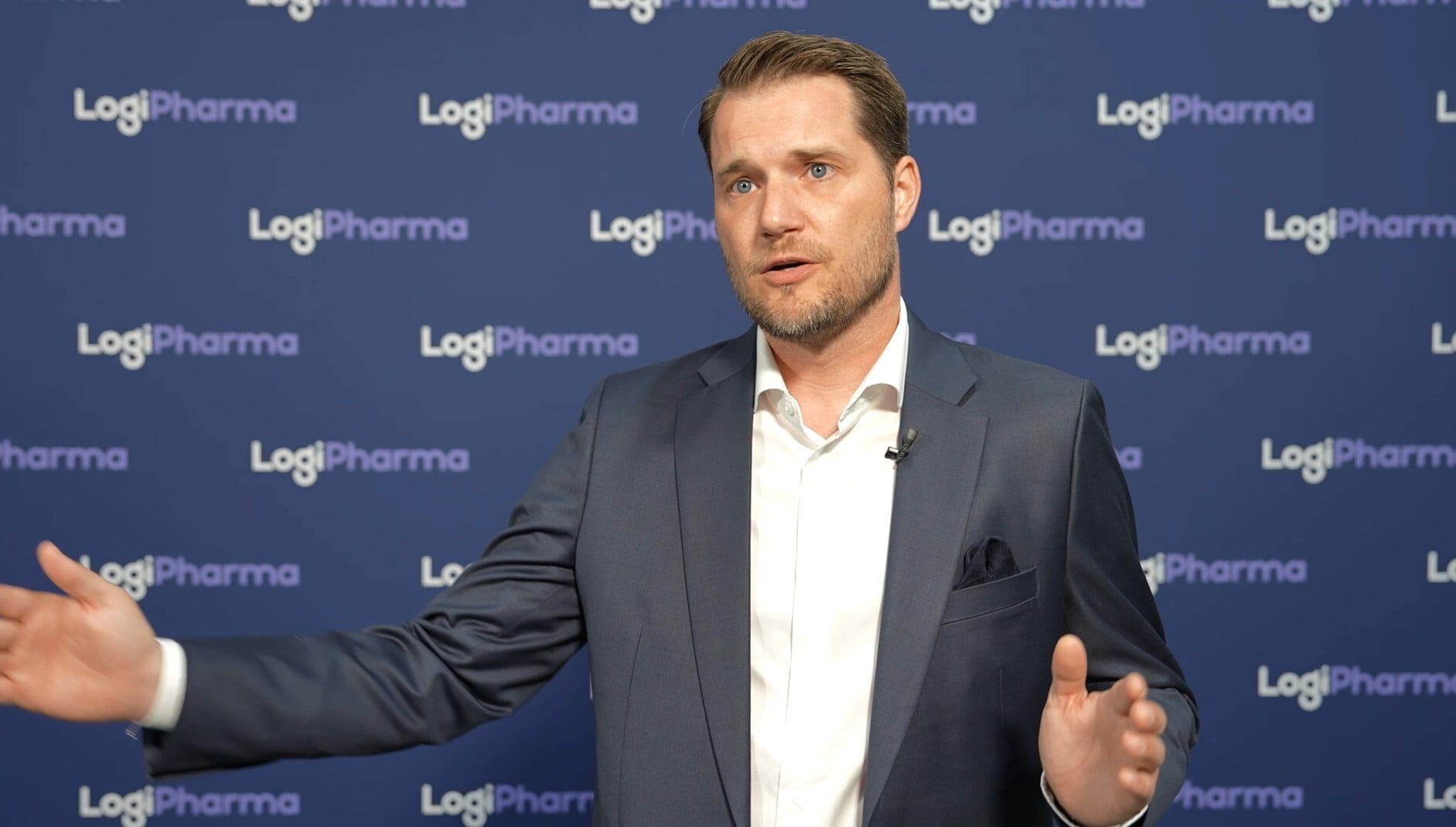
Pharmaceutical and life science companies seeking to ensure GxP compliance can accelerate product release and reduce risk by combining stationary and in-transit temperature monitoring data into a single product-level view. This approach allows quality teams to track individual stability budgets, automate release decisions, reduce quarantine time, minimize product waste, and improve end-to-end supply chain visibility. In a recent interview with Pharmaceutical Commerce, Christoph Bamert, Chief Sales Officer at ELPRO, explains how data-driven decision-making is today’s imperative for improving efficiency, quality, and patient safety across modern pharmaceutical logistics.
Key Takeaways
Combine stationary and in-transit monitoring data to create a complete product-level view
Reduce unnecessary quarantine and accelerate product release decisions
Use ambient temperature monitoring to identify lane risks and transportation delays
Improve efficiency, compliance, quality, and patient safety through data-driven pharmaceutical logistics
Why Are Traditional Product Release Processes Slowing Pharmaceutical Supply Chains?
The pharmaceutical industry has always faced competing priorities. Products must move quickly through the supply chain while maintaining strict quality standards, regulatory compliance, and patient safety. However, as supply chains become more global and product portfolios become increasingly complex, traditional monitoring approaches are struggling to keep pace.
For many pharmaceutical manufacturers, release decisions still depend heavily on reviewing isolated temperature records and investigating alarms whenever predefined thresholds are exceeded. While this approach has served the industry for decades, it often creates operational bottlenecks.
A shipment that triggers a temperature alarm may be quarantined for days or weeks while quality teams investigate whether product quality was truly impacted. In many cases, the product remains fully usable, but valuable time and resources are spent proving it.
The result is slower release cycles, increased waste, higher operational costs, and potential delays in getting critical medicines to patients.
According to Christoph Bamert, the industry is now moving toward a more intelligent, data-driven approach that uses complete product histories rather than isolated alarms to make release decisions.
“Supply chain data across stationary and in-transit monitoring can accelerate product release and reduce waste for pharma companies.”
Christoph Bamert, Chief Sales Officer, ELPRO
Why Is Temperature Monitoring Alone No Longer Enough?
Temperature data on its own tells only part of the story. Throughout a product's journey, data is collected across manufacturing sites, warehouses, distribution centers, transportation providers, and healthcare delivery networks. In many organizations, these datasets remain disconnected.
This fragmentation creates challenges for quality teams. Before a product can be released, personnel often must gather data from multiple systems, manually review records, and perform detailed assessments.
The problem isn't a lack of information, it's a lack of integration.
Modern pharmaceutical supply chains require a more comprehensive view that connects stationary monitoring data with in-transit monitoring data, allowing organizations to understand the complete environmental history of a product from manufacture through delivery.
By aggregating these data streams into a single product-level record, companies gain the visibility needed for faster and more informed decision-making.
“By aggregating temperature and stability data in one place, pharma companies can see into a single, product-level view.”
Christoph Bamert, Chief Sales Officer, ELPRO
What Are Stability Budgets and Why Do They Matter?
Historically, organizations established broad alarm limits. If a shipment exceeded those limits, it triggered an investigation.
While effective from a compliance perspective, this approach treats all products similarly despite sometimes having very different stability profiles.
A stability-budget approach is fundamentally different, allowing organizations to evaluate how much of the product's approved stability profile has actually been consumed over time.
The benefits are substantial:
Faster release decisions
Reduced manual investigations
Lower quarantine rates
Reduced product waste
Improved operational efficiency
By understanding exactly how a product has been exposed throughout its journey, companies can make more confident release decisions while maintaining compliance and product quality. It also helps them evaluate and optimize the appropriate packaging and service levels.
“Tracking individual stability budgets per product rather than applying strict alarms broadly accelerates release processes and reduces unnecessary quarantine times.”
Christoph Bamert, Chief Sales Officer, ELPRO
How Does End-to-End Visibility Improve Pharmaceutical Supply Chains?
Visibility has become one of the most valuable assets in modern pharmaceutical distribution.
Every shipment travels through multiple handoffs, transportation modes, storage locations, and environmental conditions. Without visibility across each stage, quality and logistics teams are often forced to react after issues occur.
How Can Ambient Temperature Monitoring Improve Cold Chain Performance?
One of the more innovative practices highlighted by Bamert is the use of ambient temperature monitoring on the exterior of passive packaging.
Many organizations focus exclusively on measuring temperatures inside shipping containers. While essential, this approach can miss valuable context regarding transportation conditions.
Over time, these insights allow pharmaceutical companies to optimize both packaging and transportation networks using actual performance data rather than selectively (e.g. seasonal lane qualifications).
“Ambient temperature monitoring emerged as a particularly valuable tool for identifying lane risks, and whether products remain in controlled environments.”
Christoph Bamert, Chief Sales Officer, ELPRO
As supply chains become more complex, these additional layers of visibility will play a critical role in maintaining product quality while improving operational efficiency.
What is a stability budget in pharmaceutical logistics?
A stability budget measures how much environmental exposure a pharmaceutical product can tolerate while remaining within approved quality specifications. Tracking stability budgets helps organizations make scientifically informed release decisions.
How does product-level visibility improve product release?
Product-level visibility combines information from manufacturing, storage, and transportation monitoring into a single record, enabling faster, more accurate release decisions.
Why is ambient temperature monitoring important?
Ambient monitoring helps companies identify lane risks, detect delays, verify transportation conditions, and optimize logistics operations.
How can pharmaceutical companies reduce GxP compliance risk?
Organizations can reduce GxP compliance risk by using integrated monitoring systems, maintaining complete product histories, tracking stability budgets, and implementing data-driven quality processes.