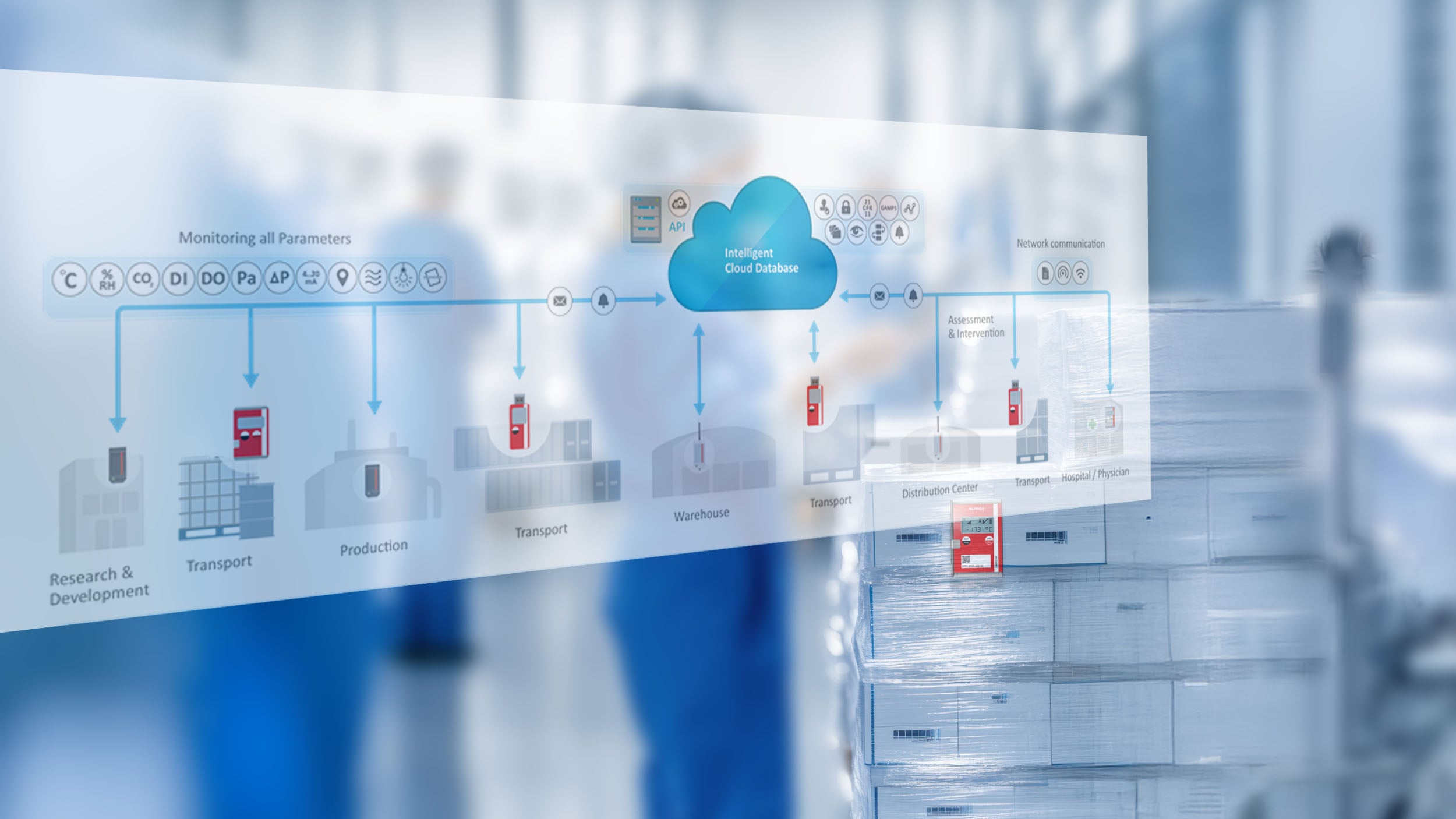
In the pharmaceutical and life sciences industries, environmental monitoring is a cornerstone of product quality, regulatory compliance and patient safety. Yet too often, managing it still means spreadsheets, manual checks, and time-consuming reporting. These outdated methods don’t just slow teams down, they often result in human error, increased cost, and expose companies to unnecessary risk.
The question many organizations are now asking is: How can automation transform environmental monitoring from a compliance burden into a strategic advantage?
ELPRO’s Daniel Reichen is an industry subject matter expert in workflow and process automation applications. For over nine years, he and his teams have been unlocking real-world benefits of automated workflows with the liberoMANAGER software database, creating efficiency gains and measurable ROI for stronger compliance and future-ready operations.
The Value of Automated Workflows
Manual workflows often force highly skilled quality professionals to spend hours chasing down records or troubleshooting data integrity issues. Automated workflows, by contrast, simplify the process end to end: from sensor data capture and alarm management to instant reporting and digital audit trails.
“Automated workflows take the repetitive, manual tasks off the table so teams can focus on higher-value work like analysis and decision-making. It’s about working smarter, not harder.” -- Daniel Reichen
The real value lies in freeing up human capital. Instead of spending days in data analysis or investigations, teams can dedicate their time to risk-based monitoring strategies, continuous improvement, and long-term planning.
The ROI of Automation
Any investment in technology must demonstrate a clear return, and a powerful environmental monitoring automation tool like liberoMANAGER is no exception. Companies that adopted automated workflows often see rapid payback in three key areas:
- Reduced deviations and errors – Automation minimizes manual entry mistakes that can lead to costly investigations.
- Lower compliance costs – By reducing time spent in analysis or investigations, companies can redeploy resources more strategically.
- Operational savings – Automation scales easily, so as sites expand, systems can keep pace without additional headcount.
“The ROI is clear—less time spent chasing data, fewer deviations to investigate, and significant cost savings from avoiding compliance issues.” -- Daniel Reichen
Quantifying Results and Big Data
While the efficiency of automation may feel obvious, quantifying its impact is critical for leadership buy-in. Organizations typically track improvements in metrics such as:
- Audit readiness – how much time it takes to compile documentation before and after automation.
- Deviation reduction – due to automated use of stability data.
- Resource allocation – hours shifted from manual logging to higher-value activities.
“We’ve seen organizations cut deviations by 95% or more, simply because the system is allowed to use the stability data." -- Daniel Reichen
These measurable results not only justify the initial investment but clearly demonstrate ongoing business value of the liberoMANAGER ecosystem.
Compliance and Regulatory Confidence
In highly regulated environments, compliance is non-negotiable. Automated workflows provide built-in features that align with FDA, EMA, WHO, and other GxP guidelines: secure audit trails, role-based permissions, and validated data integrity.
“Automated workflows don’t just help you stay compliant—they enable the highest product quality and keep you inspection-ready every single day, not just when an auditor shows up.” -- Daniel Reichen
That peace of mind can’t be overstated. Instead of scrambling when inspectors arrive, stakeholders can operate with confidence, knowing their systems are continuously maintaining compliance.
Partnership Beyond Technology
One of the often-overlooked benefits of implementing automated, and often highly complex, workflows is the partnership that develops between ELPRO and customers. Rolling out workflows isn’t just about plugging in software—it’s about refining business processes and rethinking how teams work.
“With over three decades of experience helping customers create efficient processes and highly effective workflows, the most successful projects aren’t just technology platform deployments. They’re collaborations where we begin with a discovery phase, explore data sets, work closely with customers to map processes, identify bottlenecks, and uncover new ways to make operations more efficient. Continuous and open communication is key to gain optimum efficiency.” -- Daniel Reichen.
ELPRO’s consultative partnership approach turns technology adoption into a joint journey of trust, where both the company and customer discover opportunities for optimization together.
The result is more than just efficiency. It’s a stronger business model, with the liberoMANAGER database at its core, that can scale with the unique needs of the customer.
Looking Ahead: The Future of Workflows
Automation today is already delivering measurable results, but the future holds even more promise. Further integrating artificial intelligence, predictive analytics, and continuing to identify precise algorithms will create even smarter workflows—capable of anticipating risks before they happen and optimizing resources across global networks.
“The companies that embrace data driven workflow tools like liberoMANAGER now are building a competitive edge—they’ll be the ones who can scale, adapt, and innovate faster as highly regulated industries evolve.” -- Daniel Reichen
Forward-looking organizations recognize that automation isn’t just about compliance—it’s about creating an agile foundation for growth.
From Burden to Advantage
Temperature controlled logistics at scale doesn’t have to be a headache. Automated workflows transform it into a streamlined, efficient, and compliant process that saves time, reduces risk, and drives measurable ROI. Just as importantly, the journey toward automation fosters a true partnership—helping companies refine their processes and uncover new efficiencies along the way.
For organizations ready to turn compliance into a competitive advantage, the time to act is now. Learn how ELPRO partners with customers to integrate liberoMANAGER automated workflows that deliver optimized efficiency, ROI, and continuous compliance.
Contact your ELPRO sales representative today to schedule a demonstration to see liberoMANAGER.
FAQ: Creating Automated Workflows in Environmental Monitoring with liberoMANAGER
What are automated workflows in environmental monitoring?
Automated workflows are digital processes that replace manual monitoring tasks like evaluation, reporting, deviation assessment, and much more. They connect sensors and database systems into a streamlined ecosystem that saves time, reduces costly errors and creates optimum efficiency.
How do automated workflows create value?
Automated processes managed by ELPRO’s liberoMANAGER database reduce or eliminate manual and repetitive tasks, data entry errors, improve efficiency, and free up staff for higher-value activities such as process analysis and continuous improvement.
What is the ROI of automation in environmental monitoring?
Companies typically see fewer deviations, lower compliance costs, and fully capable of addressing any questions during customer or government audits
How can workflow automation results be measured?
The positive impact can be tracked through the elimination of manual or repetitive processes, through reduced deviations, fewer hours spent on audits, and improved resource allocation.
Do automated workflows support compliance?
Yes. Automated workflows include validated systems, secure audit trails, and features aligned with FDA, EMA, WHO, and GxP guidelines, ensuring continuous inspection readiness.
Why is a partnership approach important when implementing automated workflows?
ELPRO’s brings over three decades of environmental monitoring expertise to benefit customers. Our experts have rich experience in big data analysis, environmental monitoring, mapping and refining business processes, identifying bottlenecks, and uncovering new efficiencies—turning automation into a long-term collaborative and strategic advantage.